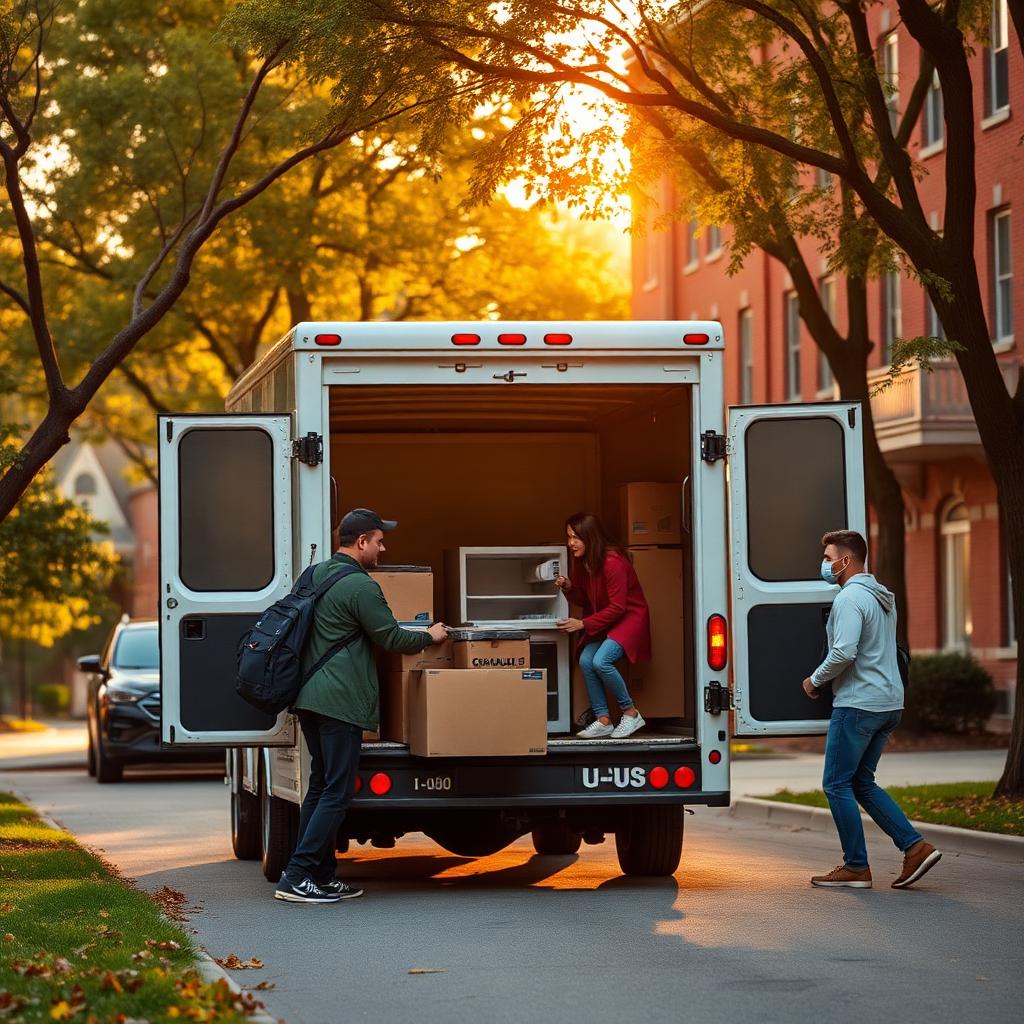
A Practical Guide to Storing Business Inventory, Tools, and Equipment
A storage unit can help small businesses keep inventory, tools, and equipment organized without crowding the shop, garage, or office. Here are a few simple ways to store business items safely and make them easier to reach when work calls.
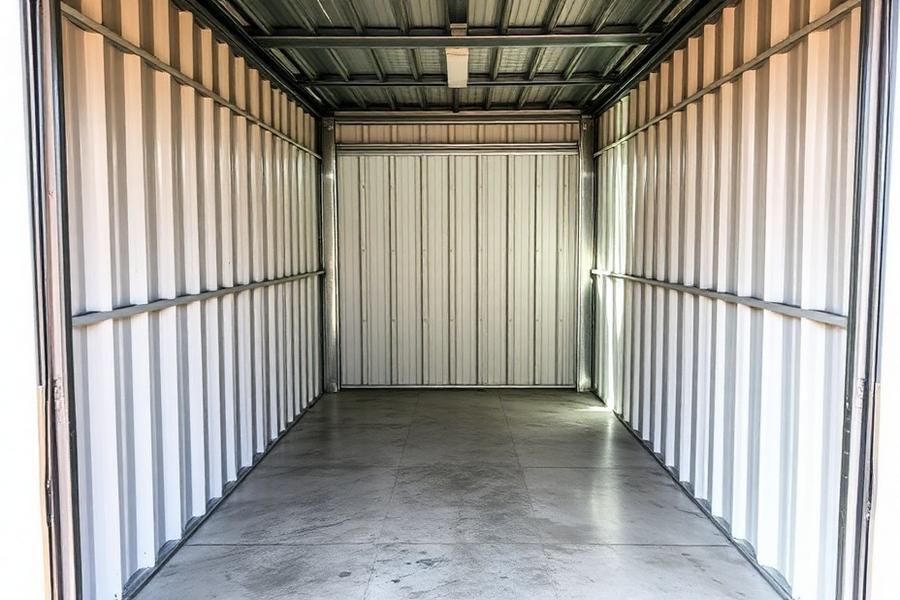
For many local businesses, space runs out before the work does. Extra boxes of inventory, seasonal displays, contractor tools, event supplies, and equipment can quickly take over a back room, truck, or home garage. A drive-up storage unit gives you a separate place to keep those items organized while leaving your everyday workspace open for business.
Whether you are serving customers near Broad Street in Rome, working around Worth County and US-82, or making deliveries near US-321 in Hickory, a little planning can make business storage much more useful. The goal is not just to fit more inside a unit—it is to find what you need without losing valuable time.
Start With What You Need to Access Most
Before moving in, sort items into three groups: things you use every week, things you use once in a while, and things you are holding for a future season or project. Put the weekly-use items near the front of the unit, where they can be loaded quickly into a truck or van. Less-used inventory and equipment can go toward the back.
This approach works especially well for contractors, landscapers, online sellers, caterers, and small retail businesses. If you need certain supplies before heading out to a job near Berry College or a delivery near Lenoir-Rhyne University, you do not want to move half the unit to reach one box.
Use Shelving, Labels, and a Clear Walkway
Sturdy shelving can turn a storage unit into a simple stockroom. Keep boxed inventory off the floor when possible, and place heavier items on lower shelves. Clear labels on the front and side of each box make it easier to identify items even when they are stacked.
Leave a walkway down the middle or along one side of the unit. It may feel like you are giving up space at first, but it saves time when you need to check stock, retrieve a tool, or pick up supplies between appointments. A basic inventory list on your phone or clipboard can also help you keep track of what is stored.
Store Tools and Equipment With Care
Clean tools and equipment before putting them away. Dirt, grass clippings, moisture, and leftover chemicals can cause problems over time. Drain fuel-powered equipment according to the manufacturer’s guidance, and do not store flammable, hazardous, or prohibited materials in a storage unit.
For valuable tools, consider locking toolboxes and keeping serial numbers, photos, and receipts in your business records. Cover larger equipment to protect it from dust, but avoid wrapping items so tightly that moisture can be trapped underneath. If you are storing cords, hoses, or small attachments, use labeled bins so complete sets stay together.
Plan for Seasonal and Growing Inventory
Many businesses have busy seasons. Landscapers may need more room for equipment, retailers may carry holiday merchandise, and service businesses may stock up before a large project. A storage unit can provide breathing room during those busier stretches without turning your office, shop, or garage into a maze.
It is also a good idea to review the unit every few months. Remove broken items, update your inventory list, and rearrange based on what you are using most often. This is particularly helpful for businesses traveling between Rome, Sylvester, Tifton, Hickory, and nearby communities, where a quick stop at a drive-up unit can help keep the workday moving.
Keep Your Business Space Working for You
Business storage should make your day easier, not create another chore. With a clear layout, good labels, and sensible handling of tools and inventory, a drive-up unit can become a dependable extension of your workspace.
If you need extra room for business inventory, tools, or equipment, reserve a UnitSafe Storage unit online or call 844-50-STORE.
Need a unit at one of our facilities?
Reserve online in minutes across Rome, Sylvester, and Hickory.